Creatine: benefits and how to take it
Creatine monohydrate, 3 to 5 g a day, every day: the real benefits, how to take it, why loading is unnecessary, and the myths. The most studied supplement.
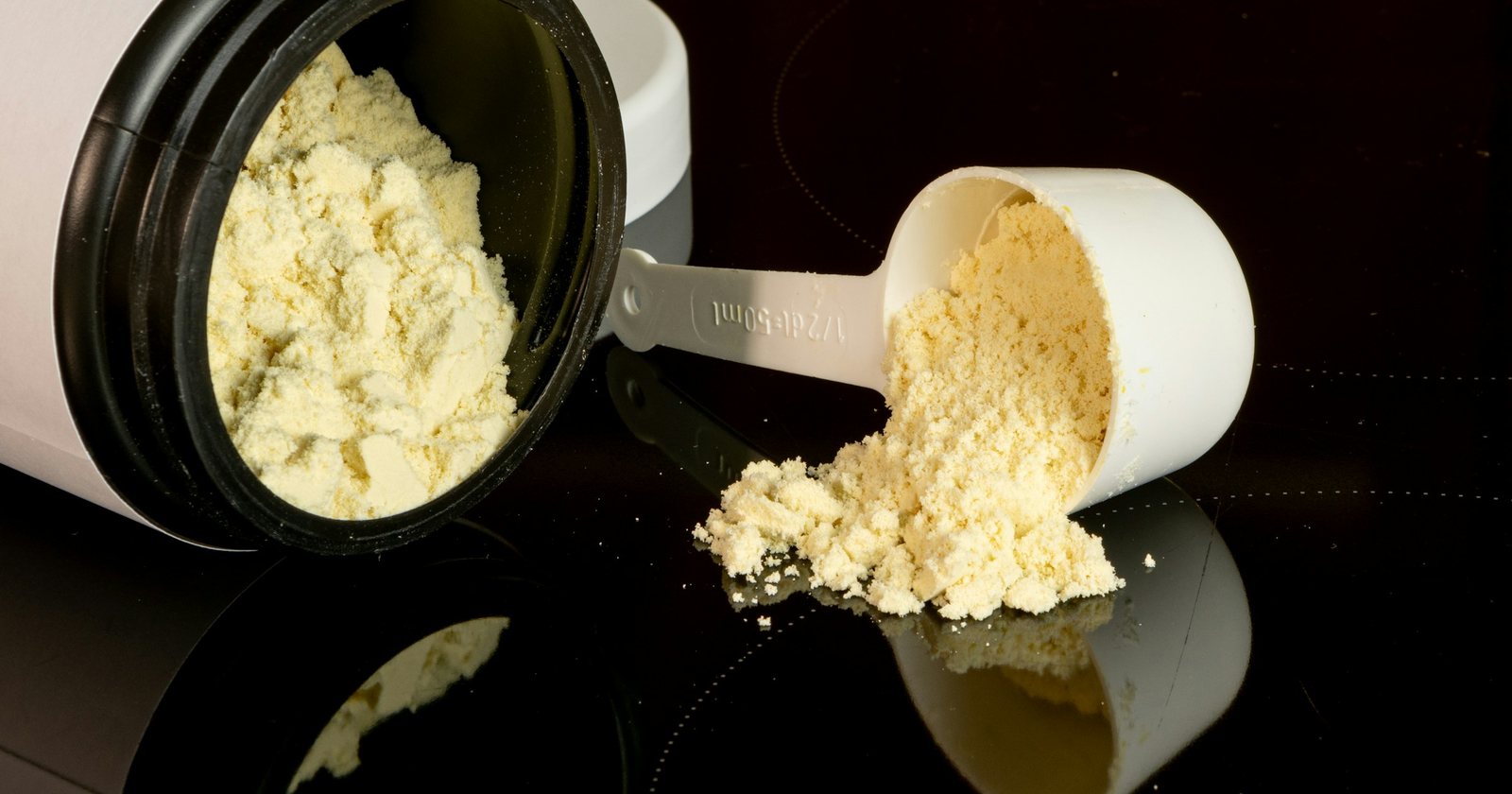
The short answer: creatine monohydrate, 3 to 5 g a day, every day, with a big glass of water, at any time of day. No need for an "exotic" form or a loading phase. It's by far the most studied and the safest sports supplement for healthy people — more than 500 scientific publications and decades of track record.
There's nothing magical or shady about creatine: it's a molecule your body already makes, and one you get from meat and fish. As a supplement, it fills your muscle stores to the brim, which helps your muscles produce energy during short, intense efforts. The practical result: a little more strength, a few more reps, workout after workout.
How to take creatine (it's simple)
- The form: monohydrate, period. It's the only one that has truly proven itself; the pricier "new generation" versions add nothing.
- The dose: 3 to 5 g a day. One teaspoon, in water or in whatever you're drinking.
- The timing: it doesn't matter. Before, after, morning, evening — only consistency counts.
- Rest days too. You don't "top up" before a workout; you keep your stores full at all times: it's an everyday baseline, not a pre-workout.
The loading phase (20 g/day for 5-7 days) is optional: it only saturates your stores a little faster. At 3-5 g a day, you reach the same level in about four weeks, without risking the digestive discomfort of large doses. A landmark study (1996) measured it: 20 g a day for 6 days or 3 g a day for 28 days produced the same rise, of about 20%, in muscle creatine.
Creatine benefits: what it really does
- Strength and power: the main and best-demonstrated benefit, for explosive efforts and heavy sets. It doesn't lift the bar for you — it helps you do a little more, and that small extra, repeated over time, is what builds results (progressive overload does the rest). Across 22 studies pooled in 2003, strength increased by 20% with creatine plus training, versus 12% with placebo.
- A slight size gain: creatine draws a little water into the muscle. Muscles look slightly fuller, and you can gain 1 to 3 kg (about 2 to 7 lb), mostly water, during a loading phase (less, and more gradually, at 3-5 g a day) — not fat.
- Cognition and recovery: interesting leads, but less solid than the strength side. A 2018 review (6 trials, 281 participants) suggests an effect on short-term memory and reasoning, especially in older or stressed people, with conflicting results elsewhere. Worth watching, without overselling.
Creatine myths to drop
- "It's a steroid." No, nothing of the sort: it's neither a hormone nor a doping product. It's an amino acid derivative already present in your diet.
- "It makes you fat." The initial weight gain is water inside the muscle, not fat.
- "You need to cycle it." There's no need to cycle it or take regular breaks: according to the International Society of Sports Nutrition, intakes of up to 30 g a day for 5 years have been shown to be safe in healthy people.
Creatine vs protein: two different things
Creatine isn't a protein, and it doesn't replace your diet. It helps you train better; protein, for its part, provides the building materials. Muscle is built with training that progresses, enough protein and enough sleep — creatine is a solid boost on top, not a shortcut that lets you skip the rest.
Is creatine safe? One caveat
In healthy people, creatine is very well tolerated. However, if you have known kidney disease (or any doubt about it), this is a decision to make with a doctor, not alone in the supplement aisle. Same during pregnancy: ask for medical advice.
Key takeaways
- Monohydrate, 3 to 5 g a day, every day, whenever suits you — loading is optional.
- The main proven benefit: strength and power; the initial weight gain is water, not fat.
- The safest supplement for healthy people; get medical advice if you have kidney problems.
Frequently asked questions
Do you need a creatine loading phase?
No, it's optional. A loading phase (20 g/day for 5-7 days) saturates your stores a little faster, but 3 to 5 g a day reaches the same level in about four weeks, without digestive discomfort.
Does creatine make you gain weight?
It can add 1 to 3 kg at first, especially with a loading phase, but that's essentially water stored in the muscle, not fat. Your muscles look a little fuller; there is no fat gain linked to creatine.
When should you take creatine?
At any time: before or after training, morning or evening, and on rest days too. It's an everyday baseline where only daily consistency counts, not timing.
Sources
- Kreider RB, Kalman DS, Antonio J, et al. International Society of Sports Nutrition position stand: safety and efficacy of creatine supplementation in exercise, sport, and medicine. J Int Soc Sports Nutr. 2017. doi:10.1186/s12970-017-0173-z
- Antonio J, Candow DG, Forbes SC, et al. Common questions and misconceptions about creatine supplementation: what does the scientific evidence really show? J Int Soc Sports Nutr. 2021. doi:10.1186/s12970-021-00412-w
- Hultman E, Söderlund K, Timmons JA, et al. Muscle creatine loading in men. J Appl Physiol. 1996. doi:10.1152/jappl.1996.81.1.232
- Rawson ES, Volek JS. Effects of creatine supplementation and resistance training on muscle strength and weightlifting performance. J Strength Cond Res. 2003. doi:10.1519/1533-4287(2003)017<0822:EOCSAR>2.0.CO;2
- Avgerinos KI, Spyrou N, Bougioukas KI, Kapogiannis D. Effects of creatine supplementation on cognitive function of healthy individuals: a systematic review of randomized controlled trials. Exp Gerontol. 2018. doi:10.1016/j.exger.2018.04.013
What this article explains,
the app measures for you.
Ecleptic brings your sleep, nutrition and training together in one score, every morning. The iOS beta is open to a small circle.
Request access