Iron deficiency: the first suspect behind your fatigue
The No. 1 nutritional cause of fatigue, especially in women and runners. Why you should test your ferritin, and never take iron supplements on your own.
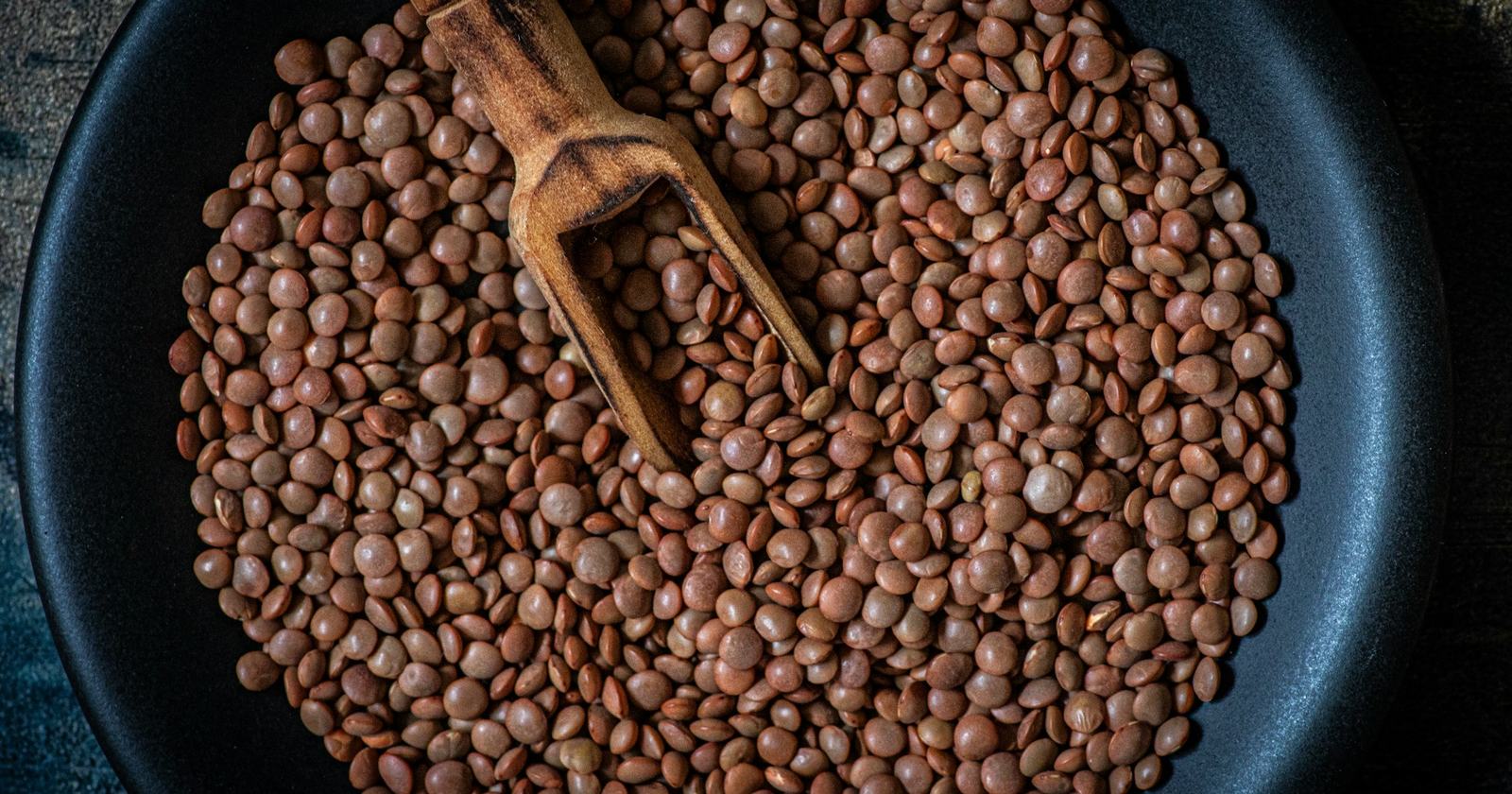
The short answer: iron deficiency is one of the most widespread nutritional deficiencies in the world — a 2021 review in The Lancet ranks it among the leading contributors to the global burden of disease — and one of the most common causes of lasting fatigue, especially in women (periods mean monthly losses) and in runners and endurance athletes. Before you blame your fatigue on stress or overwork, it's a suspect to rule out with a simple blood test.
But pay attention to one decisive point: you never take iron supplements “just in case.” Excess iron is toxic and builds up: as a 2010 review in the American Journal of Clinical Nutrition points out, the body regulates its iron only through absorption, because it has no physiological mechanism to get rid of it. Iron gets tested, then corrected under medical supervision — never blindly.
What are the signs of iron deficiency?
- Fatigue that won't go away despite decent sleep — the core symptom.
- Unusual shortness of breath during exercise, a heart that races at easy paces: iron carries oxygen, and when it's low, every bit of effort costs more.
- Pale skin (face, inside of the eyelids), brittle nails, diffuse hair loss.
- Restless legs syndrome — that irresistible urge to move your legs in the evening — is classically associated with low iron.
- In athletes: performance that stalls for no reason, recovery that drags. The picture looks almost exactly like overtraining — which is why testing beats guessing.
Who is most at risk of iron deficiency?
Iron doesn't run low for everyone in the same way. The profiles to watch more closely:
- Women with heavy periods — one of the leading causes of iron deficiency before menopause.
- Endurance athletes, runners first: tiny digestive losses, sweat and the repeated impact of footstrikes, plus a hormone, hepcidin, that rises after exercise and slows iron absorption. According to a 2019 review, 15 to 35% of female athletes followed in studies are deficient, and 5 to 11% of male athletes.
- Vegetarians and vegans, whose iron is entirely non-heme, and therefore less well absorbed.
- Regular blood donors, as well as periods of rapid growth or pregnancy — in those cases, medical follow-up is the rule anyway.
If you check one of these boxes and the fatigue is settling in, don't guess: it's time for a blood test.
Ferritin vs. hemoglobin: why you need to test ferritin
This is the most common mistake. A standard blood test measures hemoglobin: when it's low, that's called anemia — but it's the last stage, the one where your stores have long been empty. Ferritin, on the other hand, reflects your stores: the World Health Organization considers it a good marker of iron stores and recommends using it to diagnose a deficiency. It drops well before hemoglobin, and low ferritin with still-normal hemoglobin can already come with fatigue: a 2018 review (18 trials, 1,170 participants) shows that in iron-deficient adults without anemia, correcting iron reduces perceived fatigue — physical capacity tests, however, didn't budge. If you're getting blood work for fatigue, ferritin should be on it — ask for it explicitly.
Important nuance: ferritin rises artificially during inflammation or infection, which can mask a deficiency — the WHO in fact recommends interpreting it alongside a marker of inflammation. That's exactly why interpreting it is a job for a doctor, with the full context, and not for a chart of values found online.
Iron in your diet: two forms, one trick
- Heme iron, found in animal foods (red meat, organ meats, poultry, fish, seafood), is the best absorbed.
- Non-heme iron, found in plants (legumes, tofu, leafy greens, whole grains), is less well absorbed — but vitamin C at the same meal improves its absorption. Lentils with a squeeze of lemon or some bell peppers: that's applied chemistry.
- Conversely, the polyphenols in tea and coffee taken with a meal curb the absorption of plant iron: push them back an hour if you're working on your stores. The effect is clear on a single meal, more modest across a varied diet.
Vegetarians, vegans and high-volume endurance athletes have good reason to pay attention to these intakes — and to keep a closer eye on their ferritin than most people. A varied protein intake also helps cover all the bases (how much protein per day).
The safety rule, non-negotiable
If you have several of these signs, the approach is simple: a blood test with ferritin, then your doctor. No self-diagnosis, no self-supplementing. A confirmed deficiency responds very well to treatment, often within a few months — but the dose, the form and the duration are your doctor's call, not a supplement bought on a hunch. A deficiency also always has a cause — blood loss, diet, absorption — that your doctor will look for. And if your iron is normal, you'll have ruled out a major suspect and can look elsewhere for the causes of your fatigue.
Key takeaways
- Iron deficiency is a common cause of fatigue, especially in women who menstruate and in endurance athletes.
- Ferritin is what you need to test, not just hemoglobin: your stores drop well before anemia.
- Never supplement on your own — excess iron is dangerous: test first, then see your doctor.
Frequently asked questions
What are the symptoms of iron deficiency?
Persistent fatigue, shortness of breath during exercise, pale skin, brittle nails, hair loss and sometimes restless legs syndrome. In athletes, performance that stalls for no reason. Only a blood test can confirm it.
Should you test ferritin or hemoglobin for iron?
Ferritin, because it measures your iron stores and drops well before hemoglobin. Low ferritin can explain fatigue while hemoglobin is still normal: ask for it explicitly on your blood work.
Can you take iron supplements without a prescription?
It isn't wise: excess iron builds up and becomes toxic, because the body has no active mechanism to get rid of it. Test first, then correct under a doctor's supervision — never blindly.
Sources
- Pasricha SR, Tye-Din J, Muckenthaler MU, et al. Iron deficiency. Lancet. 2021. doi:10.1016/S0140-6736(20)32594-0
- World Health Organization. WHO guideline on use of ferritin concentrations to assess iron status in individuals and populations. 2020. who.int
- Houston BL, Hurrie D, Graham J, et al. Efficacy of iron supplementation on fatigue and physical capacity in non-anaemic iron-deficient adults: a systematic review of randomised controlled trials. BMJ Open. 2018. doi:10.1136/bmjopen-2017-019240
- Sim M, Garvican-Lewis LA, Cox GR, et al. Iron considerations for the athlete: a narrative review. Eur J Appl Physiol. 2019. doi:10.1007/s00421-019-04157-y
- Hurrell R, Egli I. Iron bioavailability and dietary reference values. Am J Clin Nutr. 2010. doi:10.3945/ajcn.2010.28674F
What this article explains,
the app measures for you.
Ecleptic brings your sleep, nutrition and training together in one score, every morning. The iOS beta is open to a small circle.
Request access