Ice bath benefits: real recovery tool or just a fad?
Ice baths really do ease soreness and reset your mind — but right after lifting, they blunt your gains. When to use a cold plunge, and when to skip it.
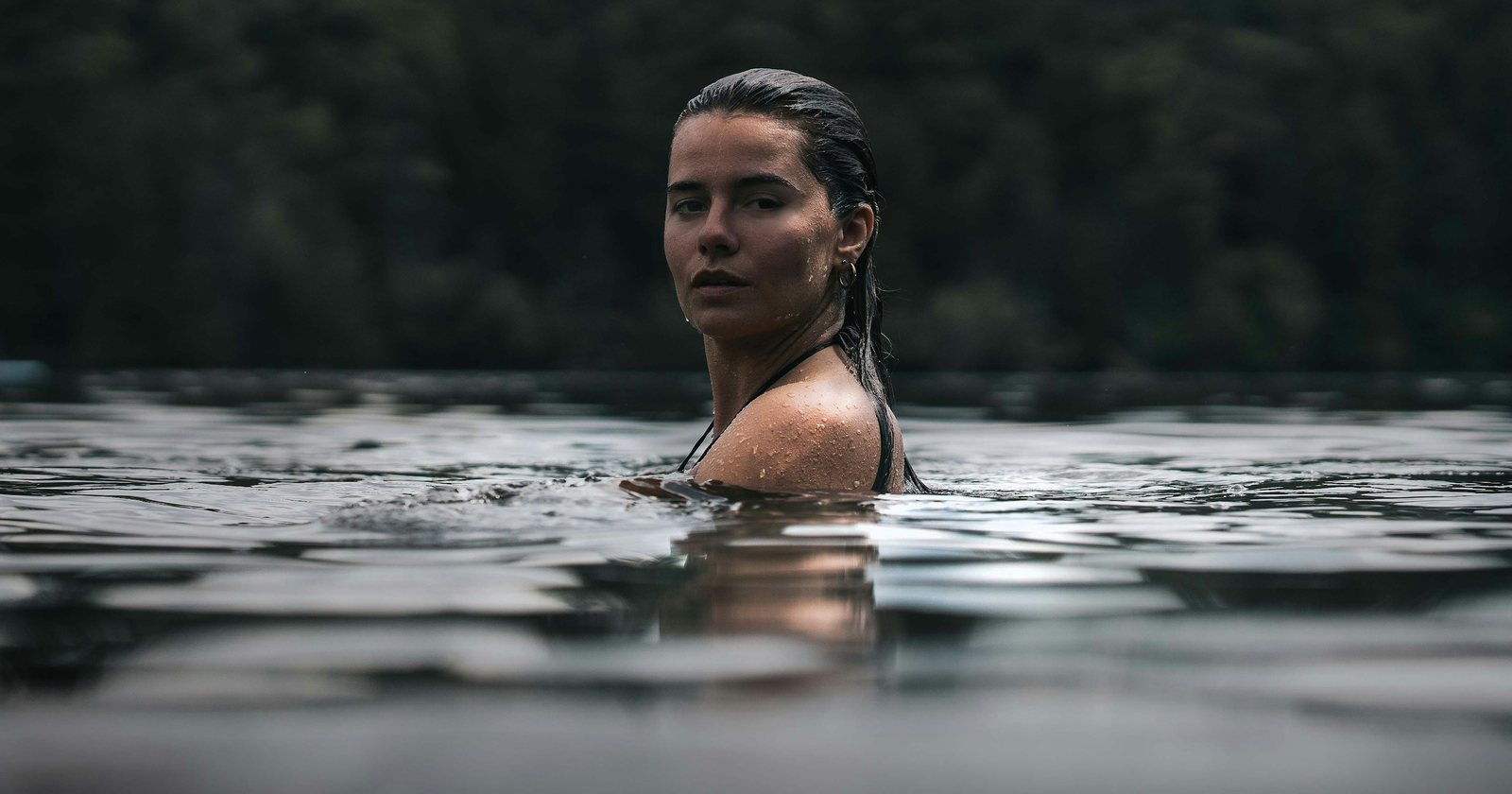
The short answer: an ice bath really does ease muscle soreness and gives you a genuine mental reset — but if you take it right after a strength-training session, it blunts part of your strength and muscle gains. It's neither pure hype nor a magic potion: it's a precise tool, to bring out at the right moment.
The basic idea behind cold-water immersion: sitting for about ten minutes in water at 10-15 °C (50-59 °F) drops tissue temperature, constricts blood vessels and temporarily dulls pain. You come out feeling reset. Contrary to popular belief, it doesn't really “shut down” inflammation: a 2017 trial with muscle biopsies found no difference in inflammation compared with 10 minutes of easy cycling. The problem lies elsewhere: the cold also dulls some of the signals that tell your muscle to adapt.
What are the real benefits of an ice bath?
- Less perceived soreness. This is the best-established effect: according to a 2012 Cochrane review (17 small trials, 366 participants), cold water reduces muscle soreness 24 to 96 hours after exercise, compared with simple rest. Useful when you have to go again quickly — a tournament, two games in one weekend, a training camp.
- A mental and nervous-system boost. Cold exposure wakes you up, braces you, gives you an immediate feeling of recovery — the same review notes lower perceived fatigue right after the bath. Don't underestimate this effect: feeling better helps you keep going.
- A faster bounce-back between closely spaced efforts. A 2022 meta-analysis (68 studies) shows that cold water mainly helps you quickly regain your endurance capacity, and over several days your strength and power.
The catch: should you take an ice bath after lifting?
Here's the part the trend forgets to mention. When you do a muscle-building or strength session, the signaling that follows the workout is the message that triggers adaptation: protein synthesis, growth, strength gains. An immediate ice bath blunts that signal. In a 2015 trial, 21 men followed 12 weeks of strength training with either 10 minutes of cold-water immersion or active recovery after each session: strength and muscle mass improved less in the cold group. A 2021 meta-analysis (8 studies) confirms a negative effect on strength gains, but no effect on endurance improvements.
The practical rule is simple:
- Training for muscle or strength? Skip the ice bath in the hours after your session. Let the adaptation happen. The studies test a bath taken right after exercise, and nobody knows how long a gap it takes to cancel out this brake: if you're set on your cold plunge, save it for a day without lifting.
- Competing, or need to recover fast? Then cold water makes complete sense: the priority is no longer to build, it's to be ready to go tomorrow.
In other words, ice baths and muscle building pull in opposite directions. That's fine — you just have to choose what you want that day.
How cold and how long should an ice bath be?
- Temperature and time: 10-15 °C, about ten minutes, 15 at most. That's the range that gave the best results on soreness in a 2016 meta-analysis (9 trials); colder or longer adds nothing, and mostly just increases discomfort.
- Listen to how you feel, not an influencer's stopwatch. Extreme cold isn't a contest. Getting out early when you're shivering hard is the right call. Heart problem or poorly controlled blood pressure: ask a doctor first.
- Don't mistake it for a cure for soreness. It mostly eases the feeling; it doesn't really make soreness heal faster — here's what actually speeds up recovery.
The alternative: a hot shower
If your goal is to build muscle and unwind, heat (a shower, a hot bath) does the relaxing job very well without interfering with adaptation. And to read your real recovery over time — beyond how a bath feels — it's your underlying trends that tell the story: sleep, heart rate variability, and the signs of accumulated fatigue. Cold is an occasional comfort, not a pillar of progress.
Key takeaways
- Ice baths really do ease soreness and give you a real mental boost — they're a tool, not a myth.
- Right after a muscle or strength session, they blunt your gains: push them back or skip them on those days.
- Save them for back-to-back efforts and competition, when the priority is being ready tomorrow, not building.
Frequently asked questions
Are ice baths good for recovery?
Yes for easing soreness and recovering quickly between closely spaced efforts, with a real mental boost. But taken right after a strength or muscle session, they blunt your gains: better to push them back.
Should you take an ice bath after lifting weights?
If you're training for muscle or strength, no: avoid it in the hours afterward, because it blunts the adaptation signal. Save it for competition days or when you need to recover quickly.
How long should you stay in an ice bath?
About ten minutes, 15 at most, in water at 10-15 °C (50-59 °F): that's the most effective range for soreness in studies. Colder or longer adds nothing and increases discomfort. Listen to how you feel rather than a stopwatch.
Sources
- Bleakley C, McDonough S, Gardner E, et al. Cold-water immersion (cryotherapy) for preventing and treating muscle soreness after exercise. Cochrane Database Syst Rev. 2012. doi:10.1002/14651858.CD008262.pub2
- Machado AF, Ferreira PH, Micheletti JK, et al. Can Water Temperature and Immersion Time Influence the Effect of Cold Water Immersion on Muscle Soreness? A Systematic Review and Meta-Analysis. Sports Med. 2016. doi:10.1007/s40279-015-0431-7
- Choo HC, Lee M, Yeo V, et al. The effect of cold water immersion on the recovery of physical performance revisited: A systematic review with meta-analysis. J Sports Sci. 2022. doi:10.1080/02640414.2023.2178872
- Roberts LA, Raastad T, Markworth JF, et al. Post-exercise cold water immersion attenuates acute anabolic signalling and long-term adaptations in muscle to strength training. J Physiol. 2015. doi:10.1113/JP270570
- Malta ES, Dutra YM, Broatch JR, et al. The Effects of Regular Cold-Water Immersion Use on Training-Induced Changes in Strength and Endurance Performance: A Systematic Review with Meta-Analysis. Sports Med. 2021. doi:10.1007/s40279-020-01362-0
- Peake JM, Roberts LA, Figueiredo VC, et al. The effects of cold water immersion and active recovery on inflammation and cell stress responses in human skeletal muscle after resistance exercise. J Physiol. 2017. doi:10.1113/JP272881
What this article explains,
the app measures for you.
Ecleptic brings your sleep, nutrition and training together in one score, every morning. The iOS beta is open to a small circle.
Request access