Night shift work: how to sleep better during the day
Total darkness by day, filtering glasses on the way home, regular hours, well-timed naps and caffeine: how to protect your sleep when you work nights.
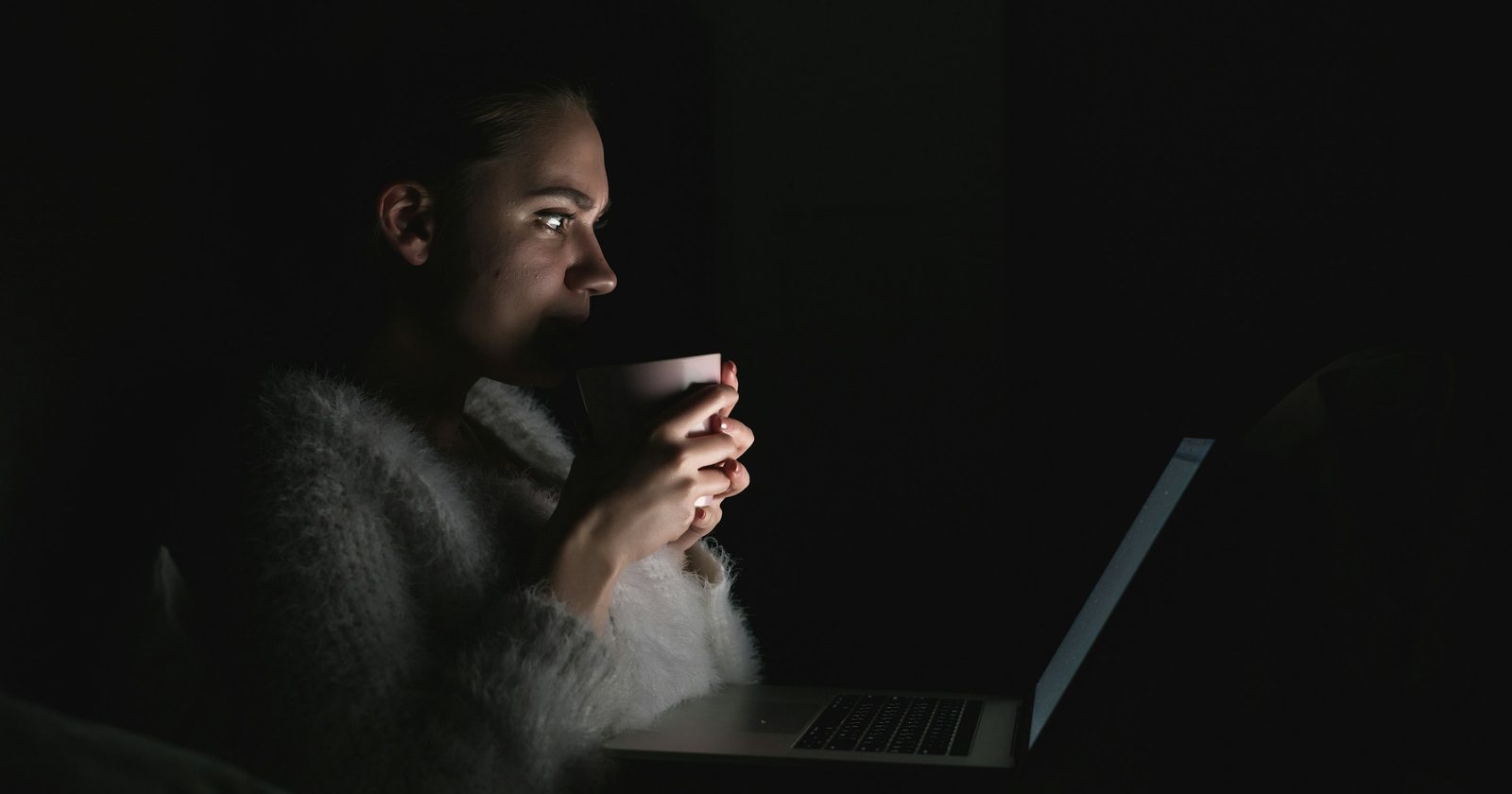
The short answer: you can't fully trick your body clock, but you can limit the damage with total darkness during the day, precise management of light and caffeine, and hours as regular as possible. Night work forces your body to sleep when it's programmed to be awake, and to work when it's craving sleep. It's a fight against the current, and it needs to be said plainly: shift work is linked to real health risks over the long term. The goal isn't to “win” against your biology, but to go as easy on it as you can.
It comes down to a few specific levers. Applied well, they make a real difference to your daytime sleep.
How to sleep during the day after a night shift
Your absolute priority: darkness. Daylight tells your brain “time to be up” and blocks melatonin — exactly what you don't want when it's time to sleep.
- A pitch-black bedroom. Full blackout curtains or a good-quality sleep mask. Aim for total darkness, not dimness.
- Filtering glasses on the commute home. In the early morning, the light you get on your way home resets your clock in the wrong direction. Dark glasses, or even orange-tinted ones, on the way home limit that wake-up signal. In a 2003 study of 67 young adults on simulated night shifts, the winning combination paired bright light during the shift, glasses as dark as possible on the way home and daytime sleep in the dark at a fixed time.
- Quiet and cool. Earplugs, phone on silent, bedroom at 17-19 °C (63-66 °F). The world goes on while you sleep: shut it out.
- Let the people around you know. A note on the door, clear rules with family, deliveries paused: your daytime sleep is as fragile as it is precious, so protect it like a real night.
Should you keep the same sleep schedule on your days off?
The worst thing for your body is constantly flipping between day and night schedules. As much as your work schedule allows, keep the same sleep rhythm, including on your days off. Switching to “normal” hours every weekend forces your body to readjust over and over, like repeated jet lag. If you can keep a stable block of sleep, you limit the chaos — it's the same principle as for everyone: regularity beats duration. Also choose your sleep strategy (sleeping right after your shift, or splitting it into two blocks) and stick to it. And if you rotate between day weeks and night weeks, shift gradually rather than flipping all at once: your body handles a gentle transition better than an abrupt reversal.
When to drink coffee and nap on a night shift
- Caffeine at the start of your shift, not the end. A coffee when you start supports alertness; the same coffee at the end of the night stays in your blood and sabotages the sleep that follows. Cut caffeine several hours before your bedtime, even if that falls at 8 a.m. Well timed, it helps: a Cochrane review (13 trials) concludes that it can improve shift workers' performance and reduce their errors.
- The strategic nap. A short 20-minute nap before or during your shift, when possible, restores alertness without sinking you into a fog. A review of 13 studies confirms it: napping during the night shift reduces sleepiness and improves performance, despite a few minutes of grogginess on waking. It's a safety tool, not a luxury.
- Bright light during your shift. A well-lit workplace helps you stay in “awake” mode when you need to be. Conversely, dim the lights one to two hours before the end of your shift to start winding down.
Is night shift work bad for your health?
The numbers call for vigilance: a 2018 meta-analysis (21 studies, 173,010 participants) found a 17% higher risk of cardiovascular events in shift workers, an excess that shows up mainly after five years of exposure. And since 2019, the International Agency for Research on Cancer (IARC) has classified night shift work as “probably carcinogenic to humans” (Group 2A), based on evidence in humans that is still limited.
Beyond sleep, take care of the foundations: eat at consistent times (avoid a big meal in the middle of the night, which is hard to digest when your body is in “rest” mode), move during the day, and watch for signals that persist — fatigue that no longer goes away, low mood, a racing heart. These are the same levers that support good-quality deep sleep, even during the day. And if night work seriously harms your health or your sleep despite all this, talking to an occupational health doctor is no admission of weakness: some people tolerate night shifts poorly, and it can be managed. One last useful marker: if you keep having involuntary micro-naps behind the wheel or at work, that's no longer passing fatigue — it's a sign of serious sleep debt to take seriously, for your safety as well as your health.
Key takeaways
- Total darkness during the day: blackout curtains or a mask, plus filtering glasses on the commute home.
- Keep your hours as regular as possible, even on days off, to avoid permanent jet lag.
- Caffeine at the start of your shift only, a short strategic nap — and a doctor if your health declines.
Frequently asked questions
How do you sleep well when you work nights?
Make your bedroom totally dark (blackout curtains or a mask), keep regular hours even on your days off, and wear filtering glasses on your commute home in the early morning.
When should you drink coffee on a night shift?
At the start of your shift, to support alertness. Avoid caffeine at the end of the night: it stays in your blood for several hours and sabotages the sleep that follows when you get home.
Is night shift work bad for your health?
Shift work is linked to real long-term health risks, because it goes against your body clock. You can limit the damage, but if your health declines, talk to an occupational health doctor.
Sources
- Torquati L, Mielke GI, Brown WJ, Kolbe-Alexander T. Shift work and the risk of cardiovascular disease. A systematic review and meta-analysis including dose-response relationship. Scand J Work Environ Health. 2018. doi:10.5271/sjweh.3700
- IARC Monographs Vol 124 group. Carcinogenicity of night shift work. Lancet Oncol. 2019. doi:10.1016/S1470-2045(19)30455-3
- Crowley SJ, Lee C, Tseng CY, Fogg LF, Eastman CI. Combinations of bright light, scheduled dark, sunglasses, and melatonin to facilitate circadian entrainment to night shift work. J Biol Rhythms. 2003. doi:10.1177/0748730403258422
- Ker K, Edwards PJ, Felix LM, Blackhall K, Roberts I. Caffeine for the prevention of injuries and errors in shift workers. Cochrane Database Syst Rev. 2010. doi:10.1002/14651858.CD008508
- Ruggiero JS, Redeker NS. Effects of napping on sleepiness and sleep-related performance deficits in night-shift workers: a systematic review. Biol Res Nurs. 2014. doi:10.1177/1099800413476571
What this article explains,
the app measures for you.
Ecleptic brings your sleep, nutrition and training together in one score, every morning. The iOS beta is open to a small circle.
Request access