Tired after eating: why it happens, and how to avoid it
The early-afternoon slump is circadian first (it happens even without lunch), and a heavy, sugary meal makes it worse. How to actually avoid it.
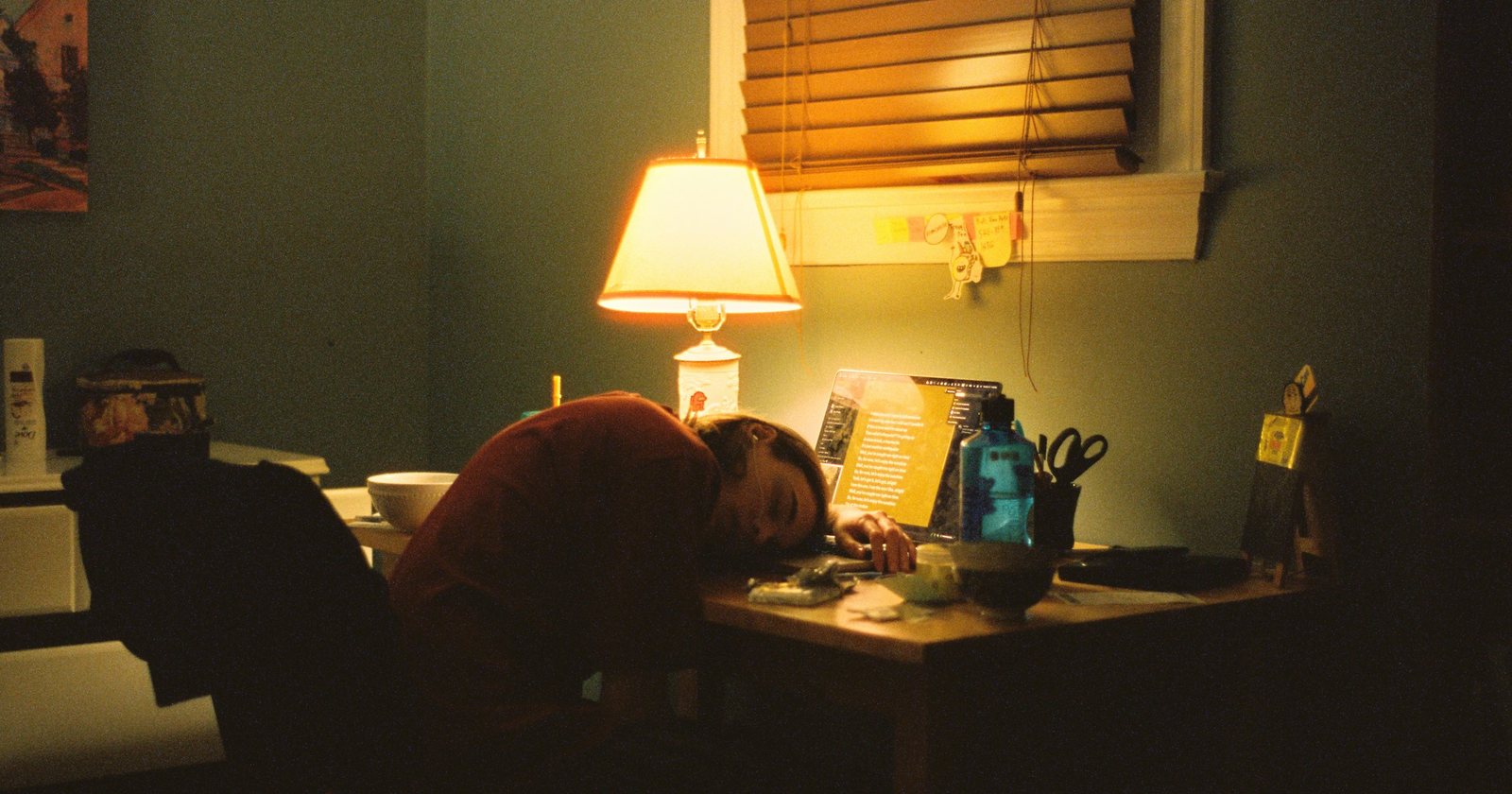
The short answer: that early-afternoon slump is not just your lunch. A good part of it is circadian — your internal clock schedules a dip in alertness between 1 and 3 p.m., and it shows up even on days you skip the meal. Lunch doesn't create the drowsiness, it amplifies it: a heavy meal loaded with fast carbs sends your blood sugar up and then back down, and deepens the fatigue in the hour that follows. It's that combination that leaves your head in a fog.
In other words, you can't get rid of the circadian dip — but you can stop making it worse. The difference between a ten-minute lull and an hour of brain fog comes down mostly to what's on your plate and what you do in the twenty minutes after you eat.
Why am I tired after eating? Two causes that add up
- The circadian dip. Your alertness follows a 24-hour curve with two drops: a big one at night, a smaller one in the early afternoon. It's built into your biology and has nothing to do with lunch — which is why that's the natural window for a short nap.
- A meal high in fast carbs. White bread, a processed ready meal, a sugary dessert, soda: blood sugar climbs fast and high, insulin responds strongly, then blood sugar drops back down — sometimes below where it started, which brings the cravings right back.
A 2005 review in Clinics in Sports Medicine sums up the picture well: the afternoon dip happens even when you haven't had lunch, but a carbohydrate-rich meal makes it worse. Add an oversized portion and the effect grows stronger still. The dip is built in; the meal decides how hard it hits.
How to avoid the afternoon slump: what actually works
- A balanced lunch rather than a sugary one. Protein (eggs, fish, meat, legumes), fiber (vegetables) and a little healthy fat slow down carb absorption: blood sugar rises on a gentle slope instead of riding a roller coaster. This is lever number one.
- Reasonable portions. A gargantuan plate guarantees an involuntary nap. Eating until you're satisfied, not beyond, changes your whole afternoon.
- A 10- to 15-minute walk after the meal. Moving right after eating helps your muscles take up glucose and shaves off the spike. A 2023 meta-analysis (8 randomized trials, 116 participants) shows that exercise done after a meal reduces the blood sugar spike, unlike exercise done before it, and works better the sooner you start. It's one of the most effective and most underrated habits (and it counts toward your daily step total).
- Light and movement. Getting outside, exposing yourself to bright light and getting your blood moving wakes up your nervous system better than a third coffee.
- Water, not just coffee. Mild dehydration often shows up as fatigue and poor concentration that you wrongly blame on the meal. A big glass of water at lunch and during the afternoon costs little and helps more than you'd think.
Does sugar give you energy? The sugary pick-me-up trap
The classic reflex when the slump hits: a square of chocolate, a pastry or a soda for a “quick boost.” That's exactly the move that restarts the cycle — a new blood sugar spike, a new drop — and it doesn't even keep its promise: a 2019 meta-analysis (31 studies, 1,259 participants) found no positive effect of carbohydrates on mood, but more fatigue and less alertness than with a placebo in the hour that followed. The “sugar rush” is a myth. If you need a snack, pick one from the protein-and-fiber side: a handful of almonds, a plain yogurt, a whole fruit rather than juice. The goal isn't to load up on sugar to get through the afternoon, it's to avoid the roller coaster that creates the slump.
What about coffee, or a nap?
Coffee works, but late in the day it costs you your night: a 2023 meta-analysis (24 studies) concludes that a cup of coffee should be drunk nearly 9 hours before bed to avoid shortening your night. An espresso at 3 p.m. is still busy during your evening. If you're set on it, have it early in the dip. The real weapon is the short nap: 10 to 20 minutes before 3 p.m. is enough to erase the dip without knocking you out. In a Flinders University study (2006), a 10-minute nap immediately improved alertness and performance, while a 30-minute nap left people groggy at first — the ideal nap length and the 30-minute trap are covered here. Go longer and you sink into deep sleep and wake up worse than before.
When is feeling tired after eating not normal?
A small dip after lunch is physiological. Overwhelming drowsiness every day, or after every meal no matter what's in it, is worth looking into elsewhere: nights that are too short, poor-quality sleep, or underlying fatigue that has its own cause. The simple rule: if fixing your plate and moving a bit changes nothing within two weeks, the problem isn't your lunch — it's probably your night, or it's time to get checked out.
Key takeaways
- The slump is circadian first (it happens without lunch), then made worse by a heavy, sugary meal.
- The levers that work: a balanced plate, sensible portions, a 10-15 minute walk, light and movement.
- A 10-20 minute nap before 3 p.m. as a backup; overwhelming daily drowsiness is a signal, not something you just have to live with.
Frequently asked questions
Why do I get so tired after lunch?
Two causes add up: a circadian dip in alertness scheduled for the early afternoon, which happens even without lunch, and a heavy meal high in fast carbs, which deepens fatigue and lowers alertness in the hour that follows. The second amplifies the first.
How can I avoid the afternoon slump?
A balanced lunch (protein, fiber, few fast carbs), reasonable portions, a 10- to 15-minute walk after the meal, and some light. As a backup, a 10- to 20-minute nap before 3 p.m.
Is feeling tired after eating something to worry about?
A small dip is normal and physiological. Overwhelming drowsiness after every meal, every day, despite a balanced plate, is worth a closer look at your sleep or a conversation with a doctor.
Sources
- Monk TH. The post-lunch dip in performance. Clin Sports Med. 2005. doi:10.1016/j.csm.2004.12.002
- Mantantzis K, Schlaghecken F, Sünram-Lea SI, et al. Sugar rush or sugar crash? A meta-analysis of carbohydrate effects on mood. Neurosci Biobehav Rev. 2019. doi:10.1016/j.neubiorev.2019.03.016
- Engeroff T, Groneberg DA, Wilke J. After dinner rest a while, after supper walk a mile? A systematic review with meta-analysis on the acute postprandial glycemic response to exercise before and after meal ingestion in healthy subjects and patients with impaired glucose tolerance. Sports Med. 2023. doi:10.1007/s40279-022-01808-7
- Gardiner C, Weakley J, Burke LM, et al. The effect of caffeine on subsequent sleep: a systematic review and meta-analysis. Sleep Med Rev. 2023. doi:10.1016/j.smrv.2023.101764
- Brooks A, Lack L. A brief afternoon nap following nocturnal sleep restriction: which nap duration is most recuperative? Sleep. 2006. doi:10.1093/sleep/29.6.831
What this article explains,
the app measures for you.
Ecleptic brings your sleep, nutrition and training together in one score, every morning. The iOS beta is open to a small circle.
Request access