Jet lag: how to get over it fast
Plan on about one day of adjustment per time zone crossed. Light as your No. 1 lever, meals set to destination time: how to get over jet lag faster.
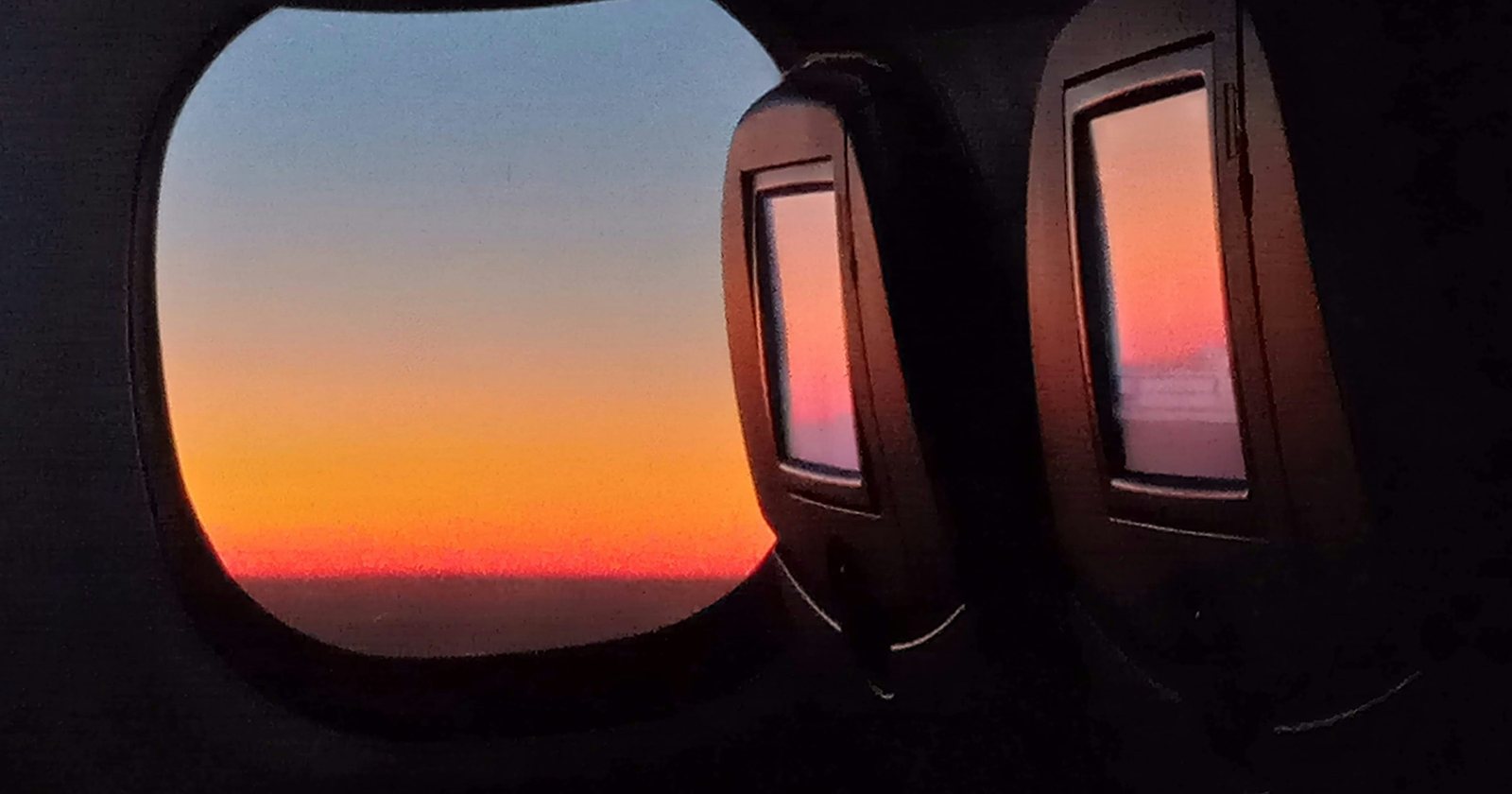
The short answer: count on about one day of adjustment per time zone crossed flying east, and half a day flying west, and use light as your main lever to go faster. Jet lag comes from a mismatch: your internal clock is still on departure time while the world around you runs on arrival time. Until the two are back in sync, you pay for it — scrambled sleep, fatigue, upset digestion, a foggy head.
You can't eliminate jet lag, but you can speed up the reset considerably. One rule beats everything else: switch to local time the moment you board the plane.
How does light help with jet lag?
Nothing resets your clock as powerfully as light. The principle: morning light advances your clock (you fall asleep and wake up earlier), evening light delays it. The whole art is seeking light at the right time and avoiding it at the wrong time:
- Flying east (you need to go to bed earlier): seek bright light in the morning at your destination, and avoid it late in the day.
- Flying west (you need to stay up later): seek light in the late afternoon and early evening, and avoid bright light too early in the morning.
- In practice: get outside. Daylight is dozens of times more intense than a lit indoor space.
- The very first days matter most: don't waste your morning light by keeping the hotel blinds shut. One caveat: after more than eight time zones eastward, early-morning light can delay your clock; aim for late morning instead.
Why is jet lag worse flying east?
Because your internal clock naturally runs on a cycle slightly longer than 24 hours: 24 hours and 11 minutes on average, according to a study published in Science in 1999. Delaying it — which is what you do flying west, where the day gets longer — is easy: that's its natural tendency. Advancing it, flying east, goes against its direction, and that's always harder work. In practice: Paris to New York (west) is quicker to recover from than New York to Paris (east), for the same number of time zones. Plan ahead: for an eastbound flight, shift your bedtime a little earlier in the days before you leave; for a westbound one, a little later. As a ballpark, according to a consensus of 26 experts published in 2021: without intervention, the clock resets by about one hour per day going east, and two hours per day going west.
| Time zones crossed | Flying west | Flying east |
|---|---|---|
| 3 time zones | ~1.5 days | ~3 days |
| 6 time zones (Paris ↔ New York) | ~3 days | ~6 days |
| 9 time zones (Paris ↔ Los Angeles) | ~4.5 days | ~9 days |
Does melatonin help with jet lag? Meals, melatonin and local time
- Eat on local time. Meals are a secondary clock signal: in a 2017 study, shifting meals by 5 hours delayed the blood sugar rhythm by about 5 hours 40 minutes, without moving the markers of the central clock, which light controls. Still, set breakfast, lunch and dinner to destination time from day one, even if you're not very hungry.
- Melatonin, in a small dose and at the right time. A Cochrane review (10 trials) concludes that a small dose taken at bedtime at your destination reduces jet lag after crossing five or more time zones, especially flying east; taken too early in the day, it can actually delay adjustment. It's not a sleeping pill, and timing matters more than dose — ask a pharmacist or a doctor for advice, especially if you take other medications.
- Set your watch to arrival time when you board the plane, and live on that time in your head. This small gesture steers all your decisions: when to eat, when to sleep, when to seek light.
- Manage caffeine and alcohol. A strategic coffee in the local morning helps you hold on; alcohol on the plane, on the other hand, degrades already fragile sleep and adds to dehydration, which makes jet lag feel even heavier.
Should you sleep on the plane?
It depends on what time it will be when you land. If you land in the morning, try to sleep on the flight so you arrive with a bit in reserve; if you land in the evening, stay awake so you're ready to drop at local bedtime. And once you're there, hold out until a normal bedtime: a 20-minute short nap is fine, a three-hour nap ruins your first night. For a short trip of one to two days, don't bother fully readjusting: stay on your home time instead, and you'll avoid a double jet lag on the way back — that's also the recommendation of the American Academy of Sleep Medicine for trips of two days or less. Getting back to a stable rhythm relies on the same foundations as always: regular sleep times and an evening routine that puts your clock back on course.
Key takeaways
- About one day of adjustment per time zone crossed flying east, half a day flying west: east is harder to recover from.
- Light is the No. 1 lever: seek it or avoid it depending on your direction of travel.
- Set meals and your daily schedule to destination time from the plane onward; a small dose of melatonin can help at the right time.
Frequently asked questions
How long does it take to get over jet lag?
Count on about one day per time zone crossed flying east, and closer to half a day per time zone flying west: for the same number of time zones, east takes longer to recover from.
How do you beat jet lag?
Switch to local time from the plane, use light (seek it or avoid it depending on your direction of travel) and eat on destination time. A small dose of melatonin at the right time can help.
Why is jet lag worse flying east?
Because your internal clock naturally runs on a cycle slightly longer than 24 hours. Delaying it, when you fly west, is easy; advancing it, when you fly east, goes against its natural direction.
Sources
- Janse van Rensburg DC, Jansen van Rensburg A, Fowler PM, et al. Managing Travel Fatigue and Jet Lag in Athletes: A Review and Consensus Statement. Sports Med. 2021. doi:10.1007/s40279-021-01502-0
- Czeisler CA, Duffy JF, Shanahan TL, et al. Stability, precision, and near-24-hour period of the human circadian pacemaker. Science. 1999. doi:10.1126/science.284.5423.2177
- Sack RL, Auckley D, Auger RR, et al. Circadian rhythm sleep disorders: part I, basic principles, shift work and jet lag disorders. An American Academy of Sleep Medicine review. Sleep. 2007. doi:10.1093/sleep/30.11.1460
- Herxheimer A, Petrie KJ. Melatonin for the prevention and treatment of jet lag. Cochrane Database Syst Rev. 2002. doi:10.1002/14651858.CD001520
- Wehrens SMT, Christou S, Isherwood C, et al. Meal Timing Regulates the Human Circadian System. Curr Biol. 2017. doi:10.1016/j.cub.2017.04.059
- Khalsa SB, Jewett ME, Cajochen C, Czeisler CA. A phase response curve to single bright light pulses in human subjects. J Physiol. 2003. doi:10.1113/jphysiol.2003.040477
What this article explains,
the app measures for you.
Ecleptic brings your sleep, nutrition and training together in one score, every morning. The iOS beta is open to a small circle.
Request access